

1
Professional manufacturers of large screens in Jiangsu: Do you have any doubts about LCD splicing screens?
Release time:
2020-10-30
Jiangsu large screen professional manufacturer. LCD splicing walls have expanded their applications to various industries, including smart security, production scheduling, exhibitions, broadcasting networks, and entertainment. There are more and more stores selling LCD splicing walls, with a wide variety of products available. Careful selection of LCD splicing walls is crucial to ensure the effectiveness of the display in the later stages. If customers do not have a deep understanding of the products when using them, they may inevitably fall into some misconceptions.
Jiangsu large screen professional manufacturer. LCD splicing walls have expanded their applications to various industries such as intelligent security, production scheduling, exhibitions, broadcasting networks, and entertainment. There are more and more stores selling LCD splicing walls, with a wide variety of products available. Careful selection of LCD splicing walls is crucial to ensure the display effect in the later stages. If customers do not have a deep understanding of the products when using them, they may inevitably fall into some misconceptions.

Does Shunhua recommend any temperature requirements for the use of LCD splicing walls?
The most comfortable temperature for the human body is 26 degrees. Both too high and too low can cause discomfort. LCD splicing walls also have a comfortable temperature range. If you want to ensure the efficient use of the LCD splicing wall, the surrounding working temperature is a factor that cannot be ignored. Generally speaking, the best operating temperature for LCD splicing walls is between 0 and 35°C. This is because the thermal liquid crystal display used in LCD screens is derived from temperature changes, and its photoelectric effect is temperature-controlled. If the temperature is outside its operating range, it is equivalent to eliminating the control of the electrostatic field, which will not produce a photoelectric effect and can lead to various problems.
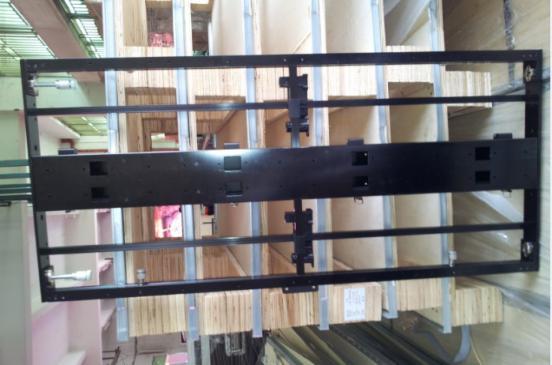
In practical use, if the operating temperature standards are quite strict, it is best for customers to install air conditioning, setting the temperature between 25 and 26°C to ensure that the LCD splicing screen is in the best operating condition.
Does Shunhua recommend that LCD splicing walls may have color deviation?

All display products will experience a certain degree of attenuation in display effects after being used for a certain period of time, and LCD splicing walls are no exception. However, their attenuation does not occur frequently and varies depending on the quality of products from different manufacturers. Moreover, many manufacturers have corresponding adjustment methods to effectively extend the service life. Therefore, when choosing an LCD splicing wall, it is essential to select a manufacturer with reliable after-sales service.
How does Shunhua recommend handling static electricity?
When static electricity is relatively high, it may affect the video stream of the LCD splicing screen and may even damage the processing chips at the connection points of the splicing system. Therefore, it is crucial to pay attention to static electricity management. If wave patterns appear on the LCD splicing wall during critical meetings or video monitoring processes, the engineer from Jingweibo suggests that the quickest way to deal with static electricity is to connect the LCD splicing wall to the ground using two wires to create a simple grounding device, directly discharging the static electricity into the ground.
Does Shunhua recommend that LCD splicing walls can 'rest'?
The commonly mentioned 7x24 hours of continuous operation in the market is the maximum for LCD splicing walls and represents an ideal situation. In practical use, if customers want to extend the service life of the LCD splicing wall as much as possible, they should try to give it a 'break'. Since all objects have a lifespan, continuous operation of the LCD splicing wall can easily cause some pixels to overheat. Once the limit is exceeded, it can cause permanent damage. Therefore, it is best to allow it to rest intermittently during use. If conditions do not allow, you can try changing the display content of the screen at different intervals to allow the LED transparent screen to adjust slightly while waiting to operate.
Does Shunhua recommend that the thinner the LCD splicing wall, the better?
The thinner the product, the higher the requirements for manufacturing processes. If the process is not up to standard, not only will the colors displayed on the screen become dull, but the viewing angle will also narrow, and the probability of bright spots appearing on the screen will increase. To date, the industry does not have a complete set of technologies to address this issue, making later maintenance very important.
The above is the content collected by the author from Nanjing Shunhua Electronic Technology Co., Ltd. If you need assistance, please contact us.
Related News
Mobile two-dimensional code
Nanjing Dunhua
Telephone:+86 025-84624918
Mobile:+86 17701580633
E-mail:njdunhua@163.com
Website:https://www.dunhuaelec.com/
Address: Room 1701, Building 3, National Advertising Industrial Park, No. 18 Jialing River East Street, jianye district, Nanjing
Copyright©2023 Nanjing Dunhua Electronic Technology Co., Ltd.